Time for one more coffee: why the Eleven O’Clock Club values an 11 a.m. checkout
An unhurried morning before you leave. Washinmura’s Eleven O’Clock Club makes the case for a standard checkout of 11 a.m. or later, supported by research and a source-linked survey of accommodation in the Boso area.
Published by Washinmura
Hello from Washinmura, a small countryside village where you can stay overnight in Futtsu, Chiba.
Another coffee after breakfast. A little more time in your room before packing up. We want the morning of departure to remain part of the trip. That is why Washinmura is proposing the Eleven O’Clock Club, with the motto ‘Give travellers back their mornings’.
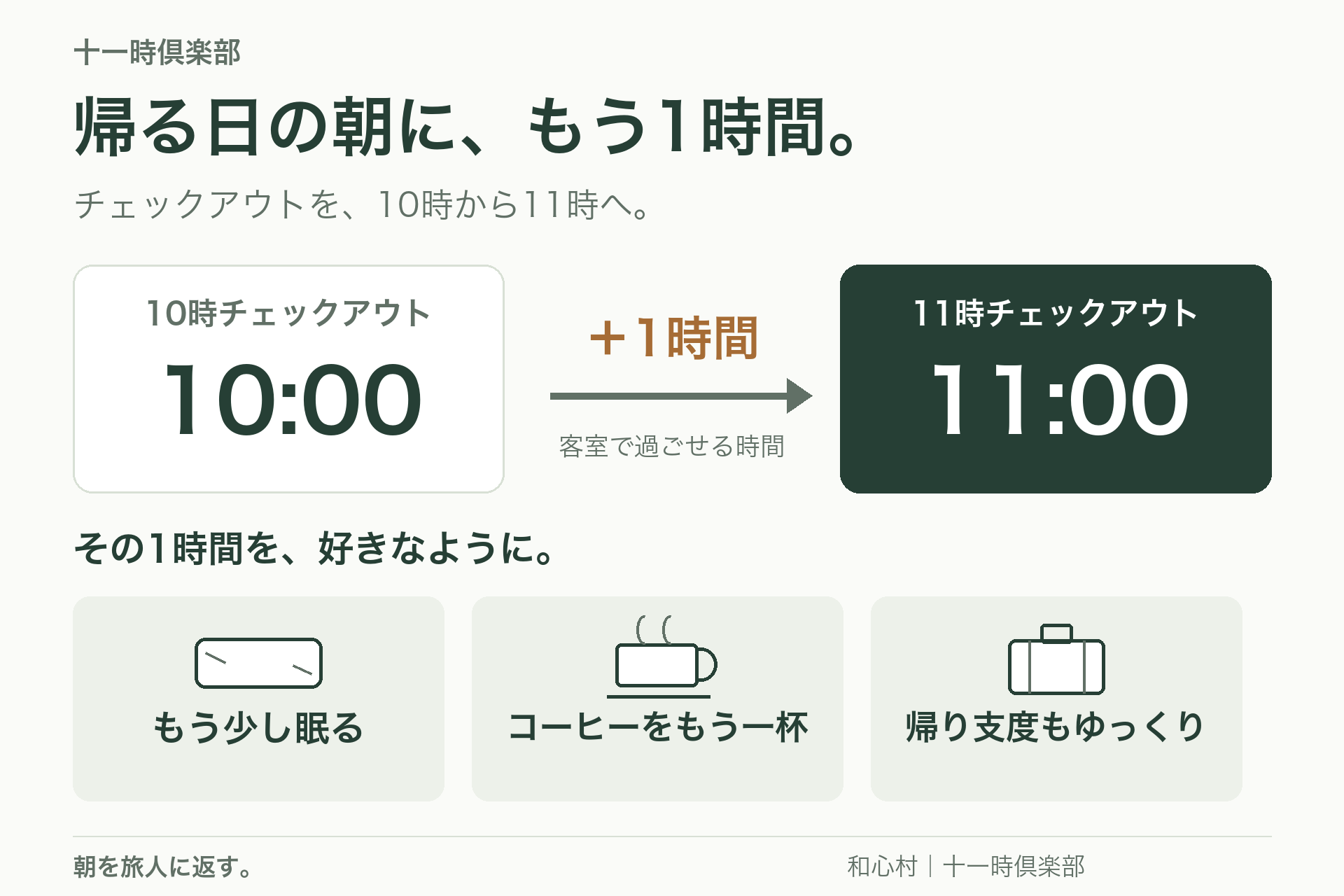
A 10 a.m. checkout is common in Japan¹. At Washinmura, standard checkout is 11 a.m. You can use that extra hour to sleep a little longer or look out over the garden. We would like the freedom to choose how to spend the morning to become a more widely offered part of hospitality.
This article explains the Eleven O’Clock Club and introduces the research on time, sleep and holidays, along with checkout times at Boso-area accommodation, that informed it. You can also read the original Eleven O’Clock Club article.
Read the original Eleven O’Clock Club article ↗
Until 11 a.m., the morning is yours to choose
The Eleven O’Clock Club is about giving travellers time to move at their own pace between waking up and leaving.
Compared with a 10 a.m. checkout, an 11 a.m. checkout gives you one more hour in your room. You could sleep a little longer, rest after breakfast, or leave yourself more time to pack and get ready.
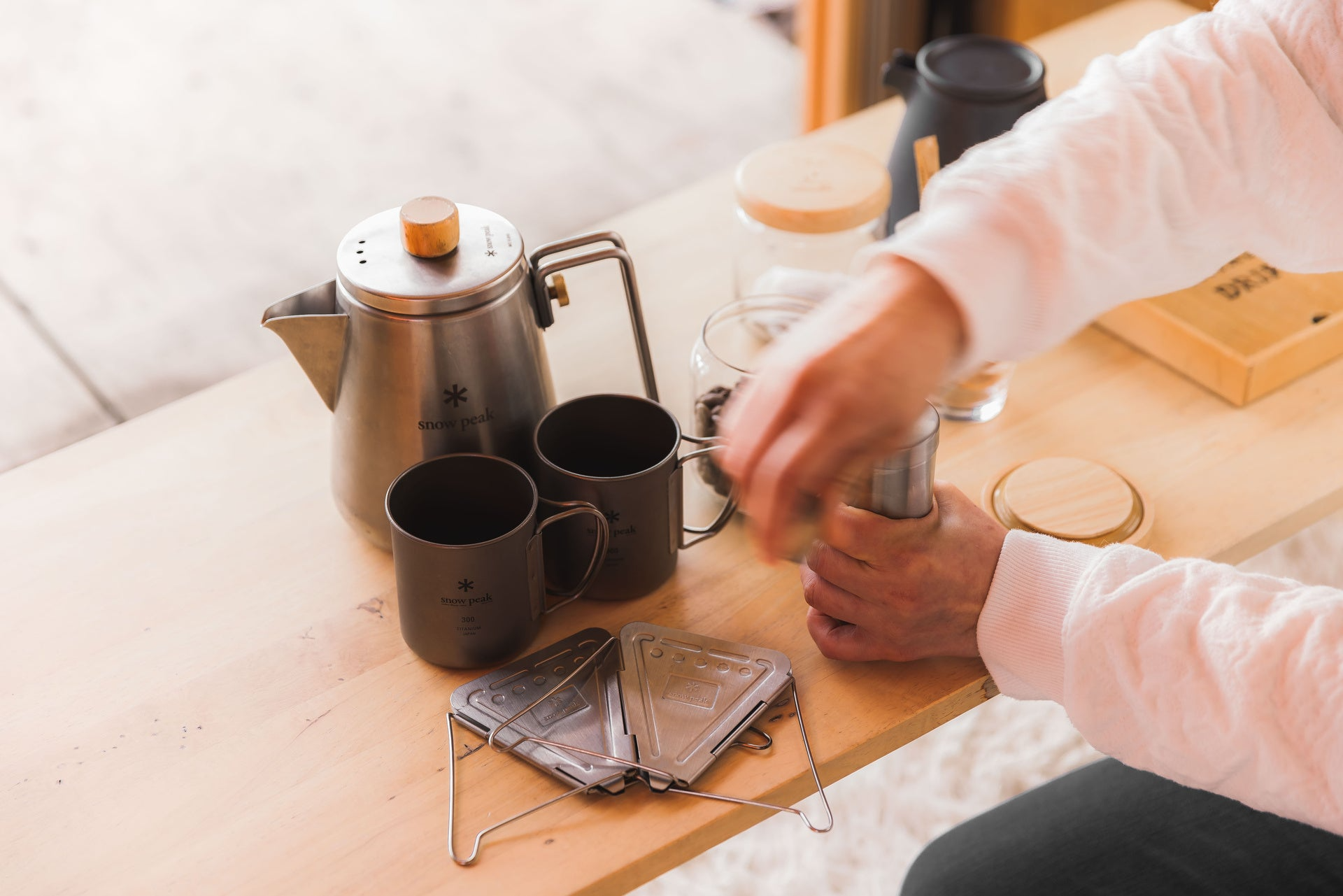
Instead of starting to pack straight after breakfast, spend a little more time in your room. Have a coffee or look out at the garden. To us, the value of an 11 a.m. checkout lies in having a choice about how to spend the time before you leave.
For participation and listing, the Eleven O’Clock Club requires a standard checkout of 11 a.m. or later that can be verified on an official website or booking site.
Paid late checkout and extensions available only with particular plans do not meet this criterion. What matters is being able to stay in the room until 11 a.m. or later without arranging an extra extension.
Article 9 of the Japan Tourism Agency’s Model Accommodation Agreement does not set a nationwide 10 a.m. limit on room use. It leaves the times blank for each property to specify². Allowing for cleaning and preparation for the next guests, how can a property make space for a slower morning? We see that choice as part of hospitality.
What research says about having more time
A study by Whillans and colleagues published in PNAS in 2017 reported an association between spending money on time-saving services and greater life satisfaction in surveys of 6,271 people in the United States, Canada, Denmark and the Netherlands.
In an experiment, 60 working adults each spent $40 on a time-saving purchase and $40 on a material purchase across two weeks. On the evening of each purchase, they were asked about their emotions and sense of time pressure. Mean positive affect was 4.00 on the time-saving day and 3.71 on the material-purchase day; higher scores indicate stronger positive affect. Mean time pressure was 3.49 and 4.22 respectively; lower scores indicate less time pressure³.
The studies introduced here are references for thinking about time, sleep and holidays. They do not establish that a particular checkout time makes people happier. We are considering whether the value of choosing how to use our time can also inform a morning away from home.
In their research on recovering outside work, Sonnentag and Fritz validated a scale with 930 participants and distinguished four aspects: psychological detachment, relaxation, mastery and control. ‘Control’ concerns having a say in how to spend one’s leisure time⁴.
A meta-analysis of seven studies reported small positive effects of holidays on health and well-being, while finding that these effects faded after returning to work. The effects of particular holiday activities had not been sufficiently established in the research available at the time⁵.
Other research suggests that travellers value flexible arrival and departure times. An international survey of 5,266 consumers by Oracle and Skift in spring 2022 found that 37% were willing to pay extra for early check-in or late checkout⁶.
What to do with a morning away is a personal choice. Go for a walk or rest a little longer in your room. The Eleven O’Clock Club aims to make room for those choices as part of the value of a stay.
Our survey identified 69 examples in the Boso area
On 18 October 2026, Washinmura researched publicly available online information about accommodation in and around Boso to identify properties with standard checkout at 11 a.m. or later. We reviewed 1,067 Rakuten Travel pages, 589 Jalan pages and 551 Yahoo! Travel pages: 2,207 listings in total. This includes the same properties listed on more than one site and properties outside the area ultimately covered.
The findings and the list of 69 properties support the thinking behind the Eleven O’Clock Club. We publish standard checkout times with their sources, offering travellers and accommodation providers a starting point for thinking about morning time.
Among the 1,067 Rakuten Travel properties in the four surveyed areas, 802 listed standard checkout at 10 a.m., and 829 before 11 a.m. These figures describe the pages covered by this survey, not the proportions of accommodation across Japan or abroad.
We used a programme to read each site’s property pages and record the standard checkout field. We also used AI to help research other booking sites and official websites, then checked the candidate source pages again. We removed duplicates, properties outside the area and properties with conflicting information. Where a field showed several times, we used the earliest as the survey rule.
From 282 candidates identified after consolidation as having checkout at 11 a.m. or later, we selected listings using our criteria for property type and size. Of 55 hotels and ryokan, we excluded five adults-only leisure hotels, leaving 50. We added 19 glamping, villa and similar properties with at least four rooms, for a total of 69.
| Area | Listed properties |
|---|---|
| Tateyama and Minamiboso | 15 |
| Kamogawa | 9 |
| Katsuura, Onjuku and Isumi | 12 |
| Uchibo: Kyonan, Futtsu, Kimitsu and Kisarazu | 13 |
| Yoro Valley, Otaki and Ichihara | 6 |
| Kujukuri, Mobara and Togane | 11 |
| Choshi and Asahi | 3 |
| Total | 69 |
Of the 69 properties, 61 had standard checkout at 11 a.m., six at noon, one at 1 p.m. and one at 2 p.m. Each listing links to the booking-site page where we verified the time. Where confirmed, official websites and official booking pages are linked too, so readers can compare area and checkout time.
Property classifications reflect the judgement used in this survey. We did not list whole-house rentals or private lodgings with three rooms or fewer, or glamping, villa and similar properties where the room count could not be verified. The area includes Uchibo, Sotobo, Minamiboso, Kujukuri and Choshi, excluding Chiba City, Narita and Katori. This is not a complete directory of Boso accommodation.
The 69 properties were selected from published information; they are not a count of properties that applied to join the club. Times were verified on the survey date, so please check the current conditions of your chosen plan when booking. Details of the survey methods, sources and listing criteria are available separately.
Survey methods, property sources and listing criteria ↗
A little more countryside time before leaving Washinmura
At Washinmura, we use ‘Neko Toji’ for an unhurried stay in the countryside where rescued cats live, taking inspiration from Japan’s toji tradition of restorative hot-spring stays.
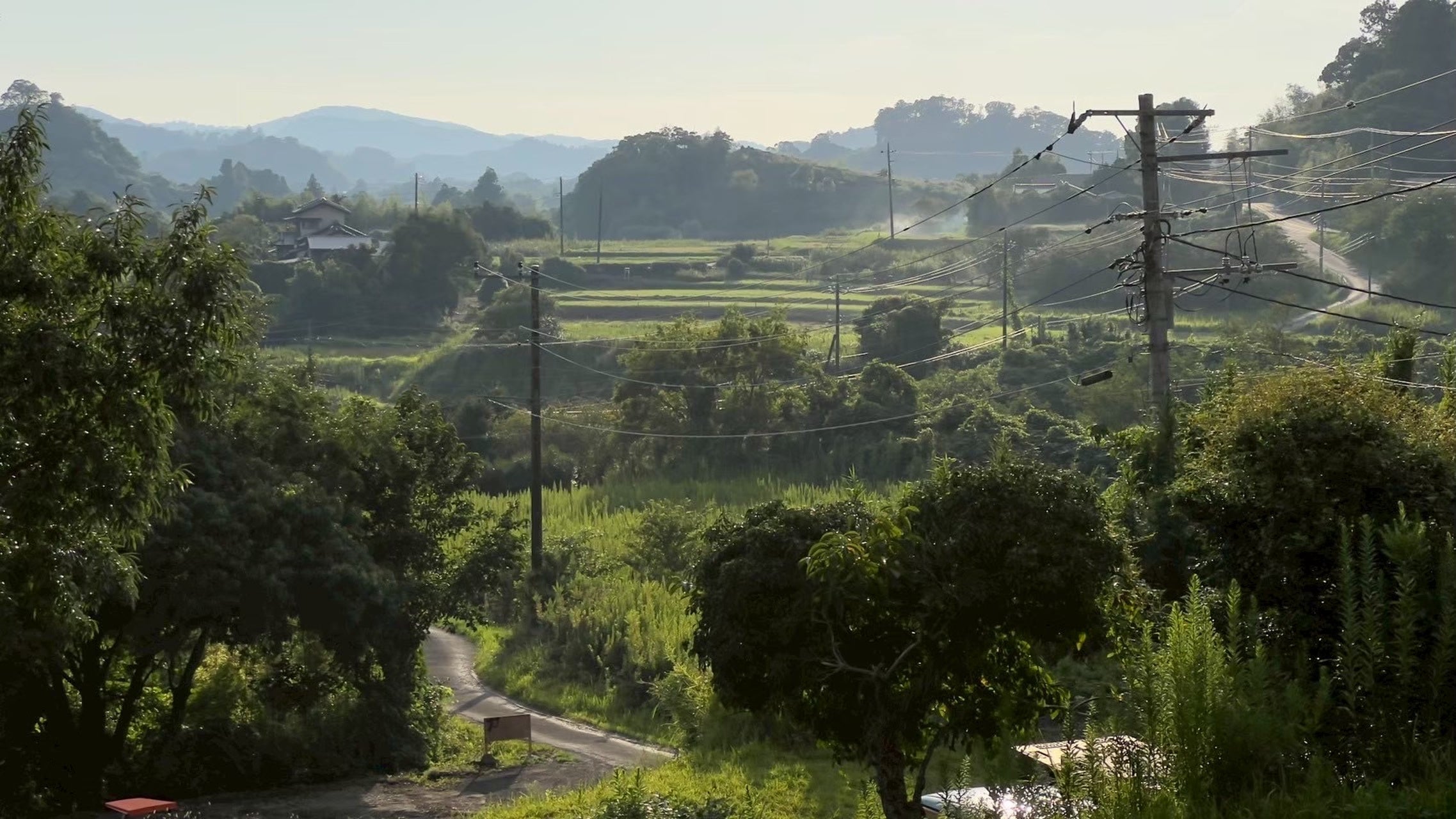
Our standard checkout is 11 a.m. Sit near the cats, with room for everyone to find their own pace. Have a coffee while looking out at the garden or woods. Wanting guests to have time here on the morning they leave is what connects our approach to the Eleven O’Clock Club.

‘A stay helps protect what is here.’ The time guests enjoy at Washinmura helps sustain the animals’ lives and carry Japan’s rural landscapes into the future.
One more unhurried hour on departure morning, for travellers to use as they please. Starting here in Boso, we would like to see that choice become part of more places’ hospitality.
Frequently asked questions
What time is checkout at Washinmura?
Standard checkout is 11 a.m. Rest after breakfast, pack or get ready at your own pace before leaving. Please check the current conditions shown for your chosen plan when booking.
Is the Eleven O’Clock Club a paid late-checkout service?
It is an initiative encouraging standard checkout at 11 a.m. or later, so guests have more morning time without arranging an extension. Paid late checkout and extensions limited to particular plans do not meet its participation and listing criteria.
Are the 69 properties members of the Eleven O’Clock Club?
No. They are properties selected according to the listing criteria from public online information checked on 18 October 2026. This is neither a membership count nor a complete list of Boso accommodation.
Read more about the research and survey
The original Eleven O’Clock Club article and the press release published on 30 October bring together the research on sleep, holidays and driving, the references, and details of the survey methods.
Original Eleven O’Clock Club article ↗
Press release published on 30 October ↗
References
[1] 宿力 survey of check-in and checkout times at 139 properties in Japan, in an article published on 22 August 2026. Of the 139 properties surveyed, 93—about 67%—had a 10 a.m. checkout.
宿力’s survey of check-in and checkout times at 139 properties in Japan ↗
[2] Japan Tourism Agency, Model Accommodation Agreement, Article 9.
Japan Tourism Agency, Model Accommodation Agreement, Article 9 ↗
[3] Whillans et al., ‘Buying time promotes happiness’, PNAS, 2017.
Whillans et al., ‘Buying time promotes happiness’, PNAS, 2017 ↗
[4] Sonnentag and Fritz, ‘The Recovery Experience Questionnaire: Development and validation of a measure for assessing recuperation and unwinding from work’, Journal of Occupational Health Psychology, 2007.
Sonnentag and Fritz, The Recovery Experience Questionnaire, 2007 ↗
[5] de Bloom et al., ‘Do we recover from vacation? Meta-analysis of vacation effects on health and well-being’, Journal of Occupational Health, 2009.
de Bloom et al., Do we recover from vacation?, 2009 ↗
[6] Oracle and Skift, ‘Hospitality in 2025: Automated, Intelligent… and More Personal’ (2022, Oracle announcement).
Oracle and Skift, Hospitality in 2025 (2022) ↗
Related reading
Stay a little longer in the countryside with the Stay Longer Neko Toji plans ↗
Take a little more time in the countryside before heading home. If a stay at Washinmura feels right for your trip, have a look at our rooms and availability.
See photographs on the official website ↗
We look forward to seeing you at Washinmura.