Fifteen places to spend time in nature around Kanto
Forests, lakes and shrines to consider for a day out or a weekend away. This article gathers places around Kanto where nature is part of the visit.
Published by Washinmura
Kanto has forests, lakes and shrines where you can take a break outdoors. This article introduces a selection of places to visit, including a closer look at a countryside stay at Washinmura.
Walk in the forest, rest by the water, or visit a shrine?
Some days call for a walk among trees; on others, you might prefer to sit by the water. Along with the scenery, consider how far you will need to walk, where you can rest and how long the journey will take.
🌸 15 places to spend time in nature around Kanto
If you feel like a break from the city,
Kanto has forests, waterside paths and shrines where you can slow down.
Here are 15 places to consider, grouped into forests, lakes and rivers, and shrines.
🌿 Five places for forests and greenery
1. Mt. Takao (Hachioji City, Tokyo)
About an hour by train from central Tokyo, Mount Takao is a popular choice for a day in the hills. Several trails suit beginners, while the cable car and chairlift make the climb towards the summit easier. The scenery changes from spring cherry blossoms to summer greenery and autumn leaves. From the top, views extend across Tokyo and towards Mount Fuji—a reminder of how close nature is to the city.
📍Location: Takao-cho, Hachioji City, Tokyo
🕒Cable car operating hours: 8:00-18:00 (varies depending on the season)
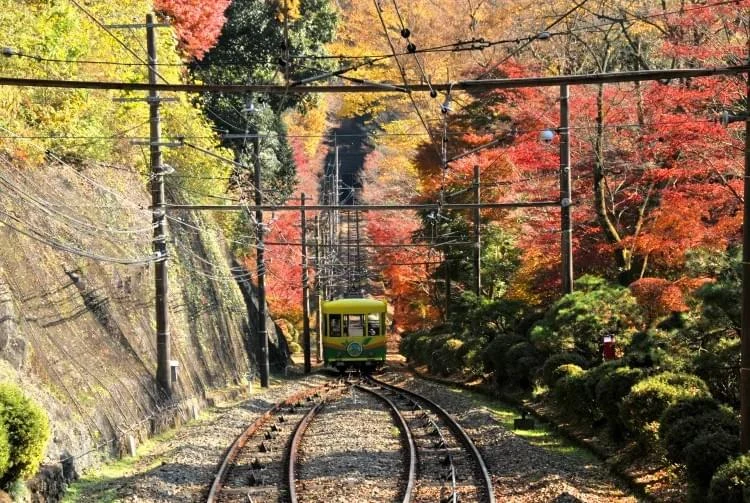
2. Mount Mitake (Ome, Tokyo)
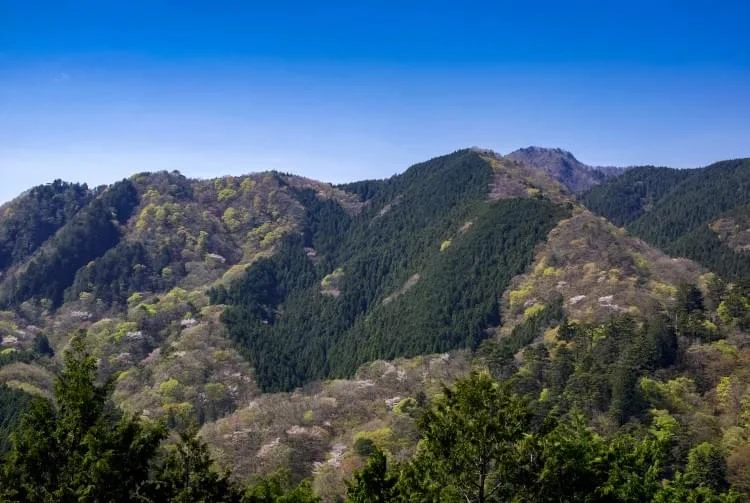
Mount Mitake has long been a place of worship, with Musashi Mitake Shrine at its summit. The cable car makes access easier, and paths pass old cedars and cypresses before opening to views of the Kanto Plain. The wooded setting and shrine give the walk a quiet, contemplative character. It is also a popular destination for walks with dogs.
📍 Address: Mitakesan, Ome, Tokyo
🕒Cable car operating hours: 7:30-18:30 (varies depending on the season)
3. Akigawa Valley (Akiruno, Tokyo)
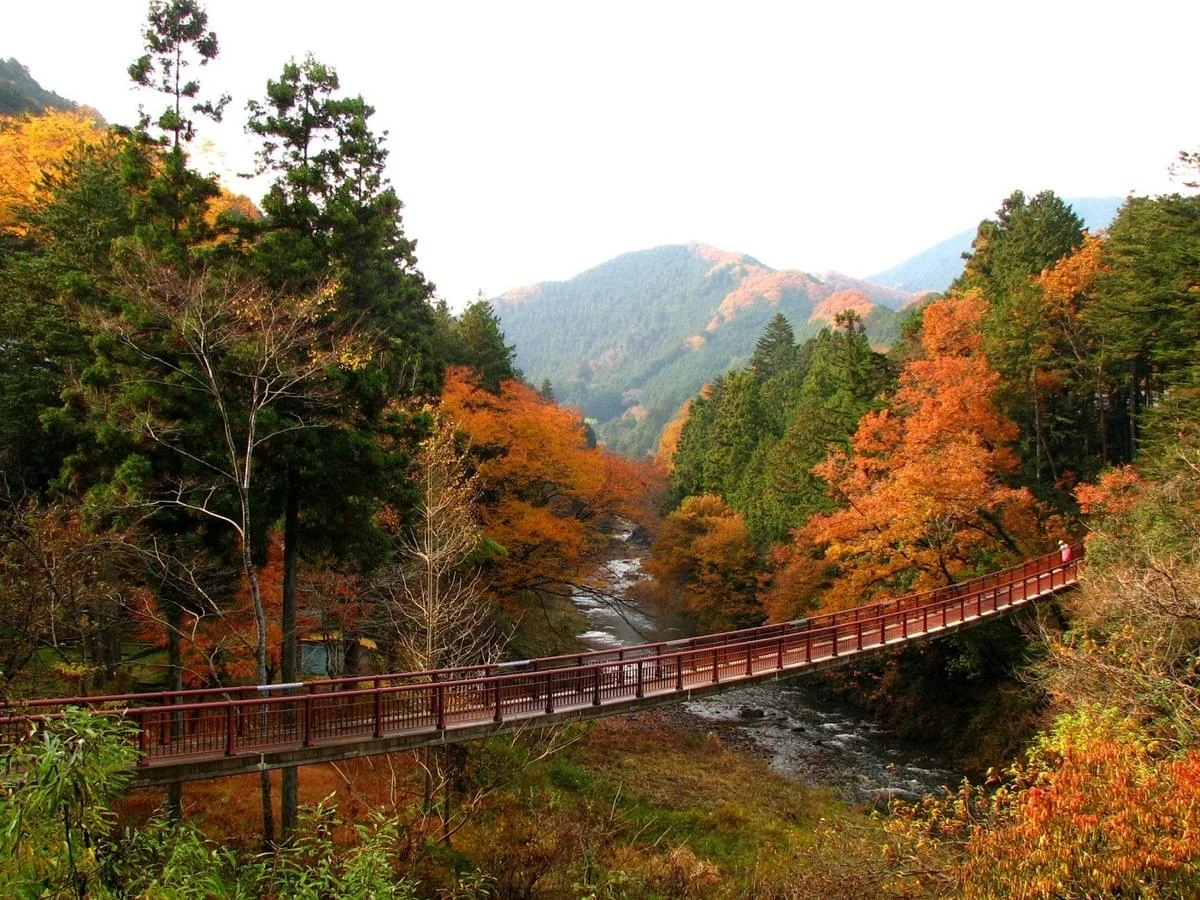
Akigawa Valley feels far removed from the city, though it is still within Tokyo. Clear streams and wooded slopes provide a setting for hiking, river play, camping and hot-spring visits. Summer brings the sound of running water; autumn colours the valley red. Evening light reflecting from the river is a particular draw for photographers.
📍 Address: Otsu, Akiruno, Tokyo
🕒Operating hours: Open all year round (varies depending on facility)
4. Mount Tsukuba (Tsukuba, Ibaraki)
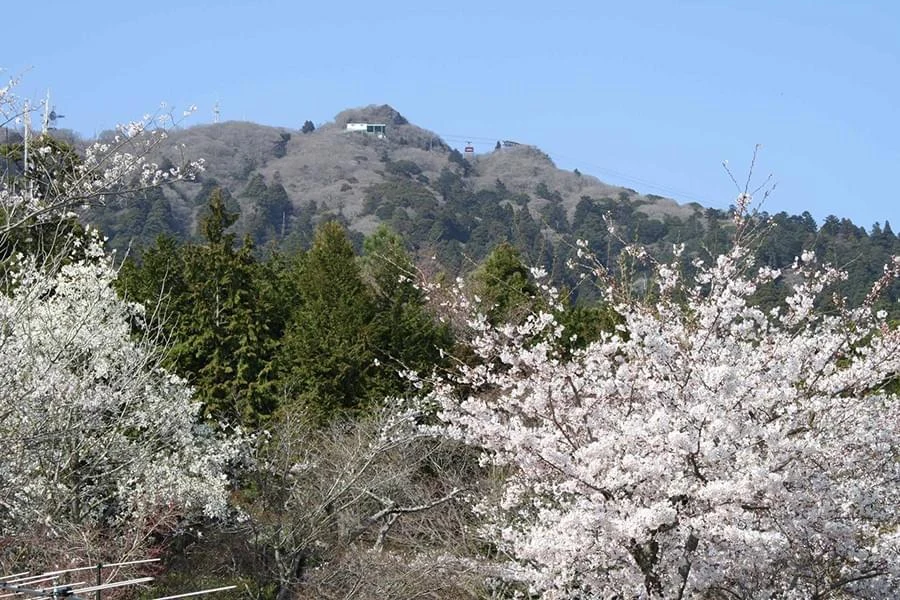
At 877 metres, Mount Tsukuba overlooks the Kanto Plain. Long revered as a sacred mountain, it is paired with Mount Fuji in the saying “Fuji in the west, Tsukuba in the east.” A ropeway and cable car make the ascent more accessible, with views towards Mount Fuji and Tokyo Skytree from the summit. A visit to Tsukubasan Shrine can be combined with the walk, bringing the mountain's history into the day.
📍 Address: 1 Tsukuba, Tsukuba, Ibaraki
🕒Cable car/ropeway operating hours: 9:20-16:40 (varies depending on the season)
5. Musashi Kyuryo National Government Park (Namegawa, Saitama)
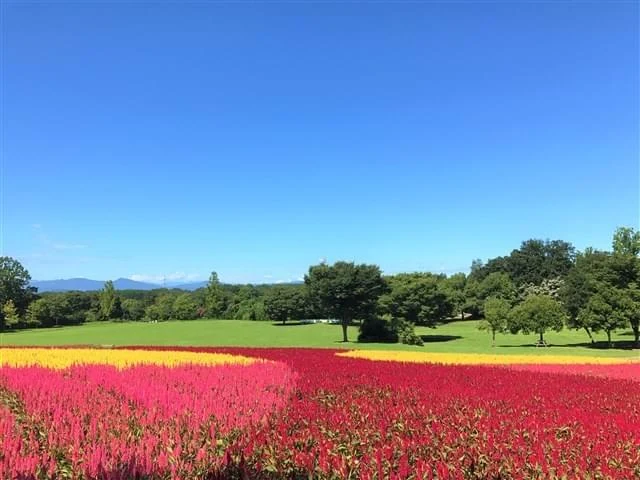
This national government park covers an area roughly equivalent to 65 Tokyo Domes, with woods, meadows and flower gardens. Cycle paths, adventure playgrounds and a dog run make it a popular outing for families and couples. Seasonal highlights include spring nemophila and red kochia in autumn. Bring a picnic or spend the day exploring its paths.
📍 Address: 1920 Yamada, Namegawa, Hiki District, Saitama
🕒Opening hours: 9:30-17:00 (varies depending on the season)
💧 Five lakes and rivers for a slower day
1. Lake Chuzenji (Nikko, Tochigi)
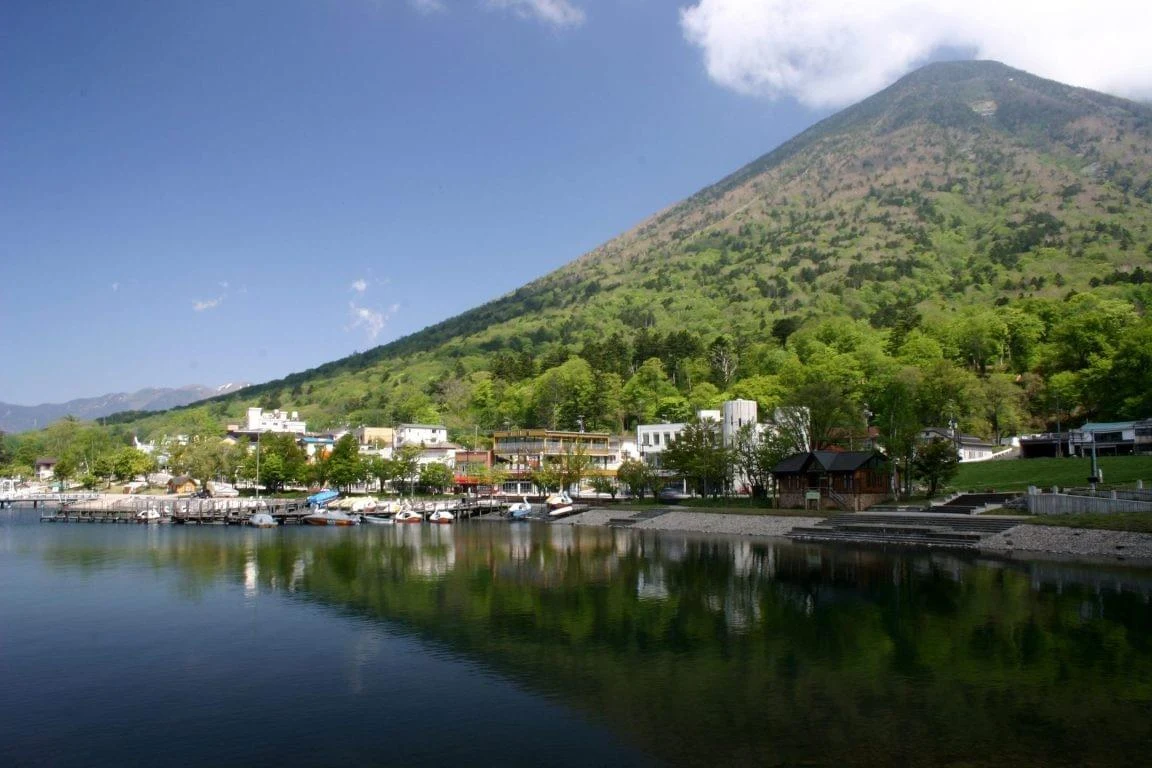
At an elevation of 1,200 metres in Nikko National Park, Lake Chuzenji lies below Mount Nantai. Its clear water and mountain setting can be enjoyed from sightseeing boats, rowing boats or canoes. Autumn leaves reflect across the lake, while hot-spring inns and cafés along the shore offer places to stop and spend a quiet hour.
📍 Address: Chugushi, Nikko, Tochigi
🕒Pleasure boat operating hours: 9:00-16:00 (varies depending on the season)
2. Lake Okutama (Nishitama District, Tokyo)
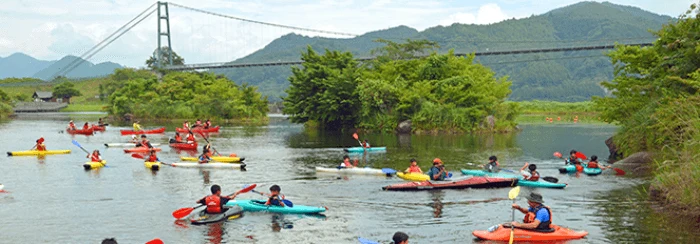
This reservoir on the upper Tama River is surrounded by hills that feel a long way from central Tokyo. The lakeside offers wooded walks and cycling, with fresh green leaves in spring and autumn colour later in the year. Mugiyama Floating Bridge, also known as the Drum Bridge, is a popular photo stop. The roads around the lake make it a pleasant driving destination too.
📍 Address: Hara, Okutama, Nishitama District, Tokyo
🕒Operating hours: Open all year round (varies depending on facility)
3. Lake Miyagase (Kiyokawa and surrounding areas, Kanagawa)
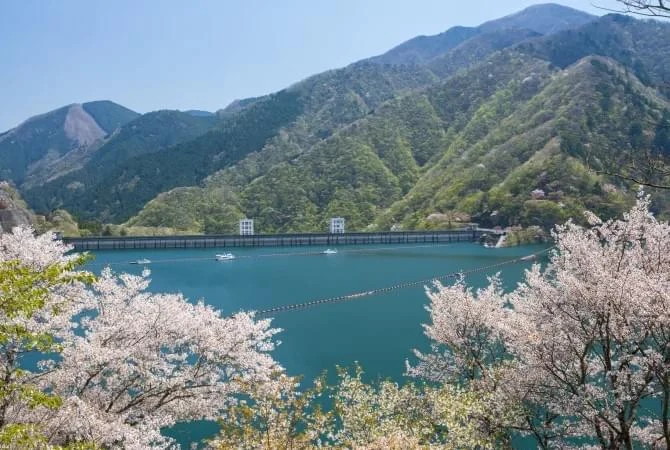
One of Kanagawa's five Yamanami lakes, Lake Miyagase is a large reservoir framed by wooded hills. The dam area and Toriihara area each offer different views and places to explore. Spring greenery, autumn leaves and evening illuminations are among the seasonal attractions. Sightseeing boats, walking paths and dam tours offer several ways to see the lake.
📍 Location: Kiyokawa, Aiko District, and the Sagamihara area of central Kanagawa
🕒 Lakeside walks are freely accessible. Dam visitor facilities and visitor centres are usually open 9:00–17:00; hours vary by facility.
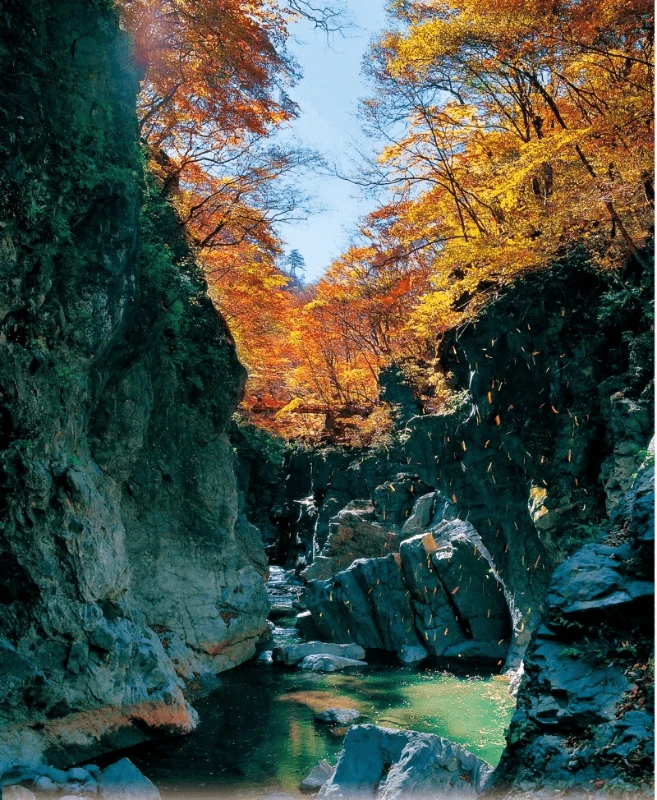
4. Agatsuma Gorge (Naganohara, Gunma)
Known as the “Yabakei of the East,” Agatsuma Gorge is one of Gunma's best-known scenic valleys. Trails pass unusual rock formations, cliffs and waterfalls, with the sound of the stream below. From late October to early November, autumn leaves turn the gorge red and gold. Nearby Yamba Dam and hot-spring towns make it easy to combine a walk with other stops.
📍 Address: Naganohara, Agatsuma District, Gunma
🕒Free admission (some roads are closed in winter)
5. Lake Kasumigaura (Ibaraki Prefecture)
Japan's second-largest lake opens out towards a wide horizon. The Tsukuba Kasumigaura Ring Ring Road follows the shore, giving cyclists a route for a leisurely ride in the breeze. At sunset, the water takes on warm red tones. Roadside rest stops and cafés around the lake also make it a good choice for a weekend drive.
📍Location: Tsuchiura City - Namegata City, Ibaraki Prefecture
🕒Pleasure boat operating hours: 9:00-16:00 (varies depending on the season)
⛩ Five shrines and spiritual sites
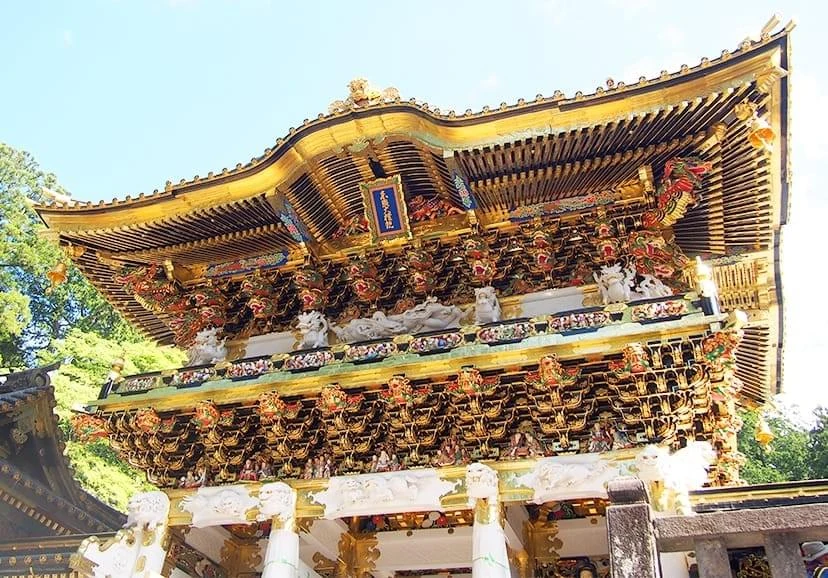
1. Nikko Toshogu Shrine (Nikko City, Tochigi Prefecture)
Dedicated to Tokugawa Ieyasu, this World Heritage shrine is known for its richly coloured carvings and stately atmosphere. Look for the famous Sleeping Cat and Three Wise Monkeys among its historic details. Centuries-old cedars surround the grounds, adding to the sense of a sacred place. It is a destination for both exploring history and taking a reflective pause.
📍Location: 2301 Yamauchi, Nikko City, Tochigi Prefecture
🕒 Visiting hours: April to October 9:00 to 17:00 / November to March 9:00 to 16:00
2. Tsurugaoka Hachimangu Shrine (Kamakura City, Kanagawa Prefecture)
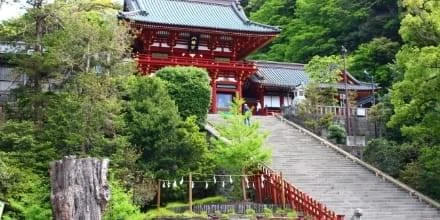
This historic shrine in central Kamakura is associated with Minamoto no Yoritomo. Visitors pray for success, work and relationships. Walk along the raised Dankazura approach, lined with cherry blossoms in spring and changing foliage in autumn. The grounds also include the Tsurugaoka Museum and Maiden dance pavilion.
📍Location: 2-1-31 Yukinoshita, Kamakura City, Kanagawa Prefecture
🕒Visiting hours: 6:00-20:00
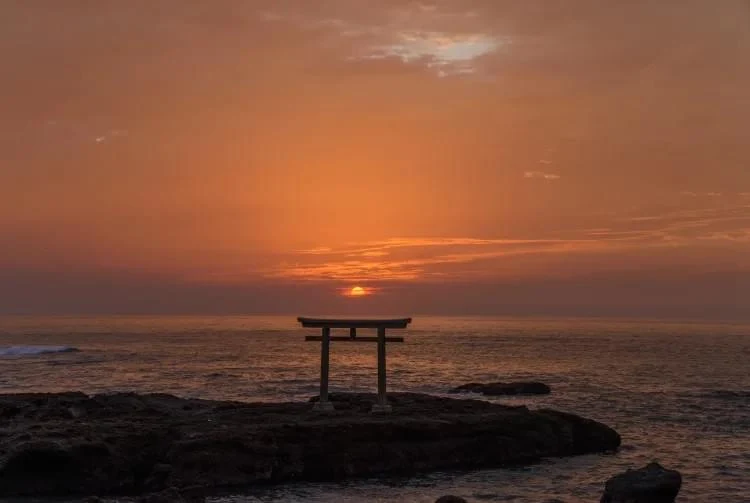
3. Oarai Isosaki Shrine (Oarai, Ibaraki)
Facing the Pacific, this seaside shrine is known for the Kamiiso torii standing in the morning light. The sound of waves and salt air give an early visit a particularly fresh start. Sunrise is a favourite time to come. The shrine is traditionally associated with purification, good fortune and safety at sea.
📍Location: 6890 Isohama-cho, Oarai-cho, Higashiibaraki-gun, Ibaraki Prefecture
🕒 Visiting hours: May to August 5:30 to 18:00 / September to April 6:00 to 17:00
4. Haruna Shrine (Takasaki City, Gunma Prefecture)
Haruna Shrine stands in a valley halfway up Mount Haruna, among large rocks, waterfalls and old trees. Its approach winds between rock faces and natural arches, making the walk itself part of the visit. People have long come here to pray for good fortune, protection from misfortune and relationships. Autumn leaves add another layer of colour to the wooded grounds.
📍 Address: 849 Harunasan-machi, Takasaki, Gunma
🕒 Visiting hours: 7:00–18:00 (until 17:00 in winter)
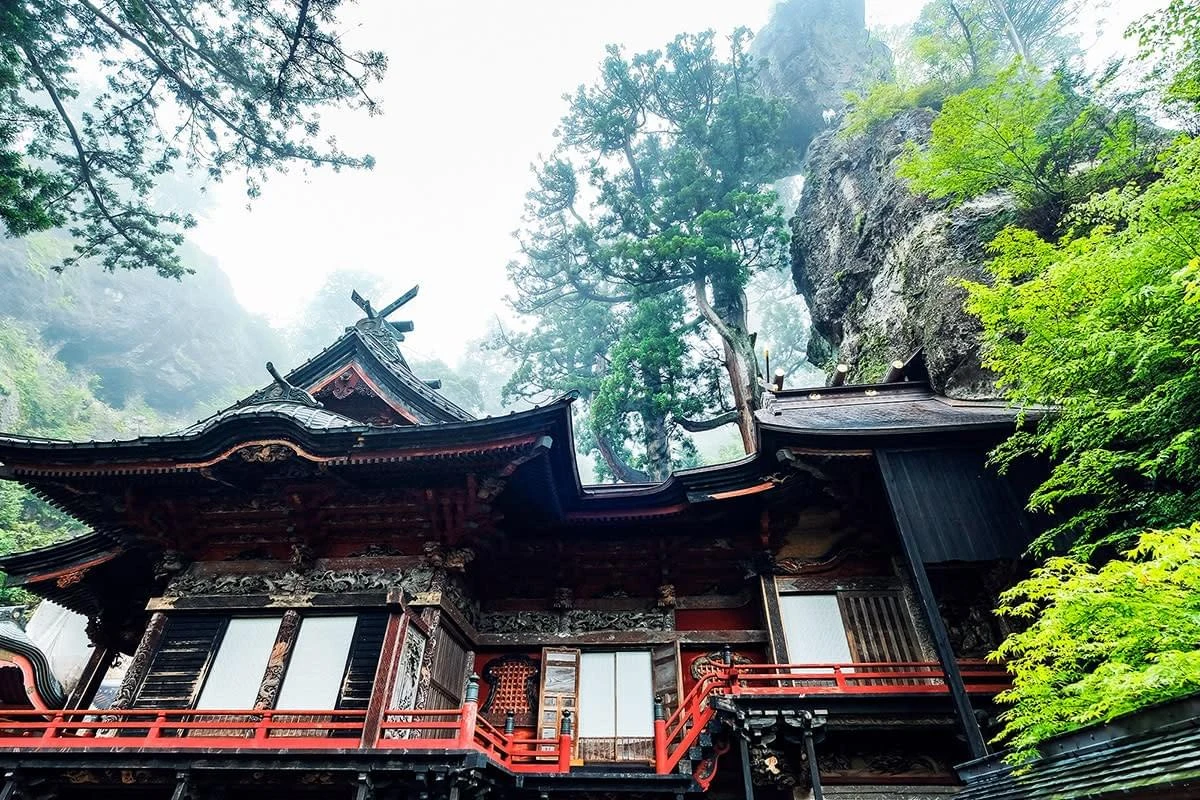
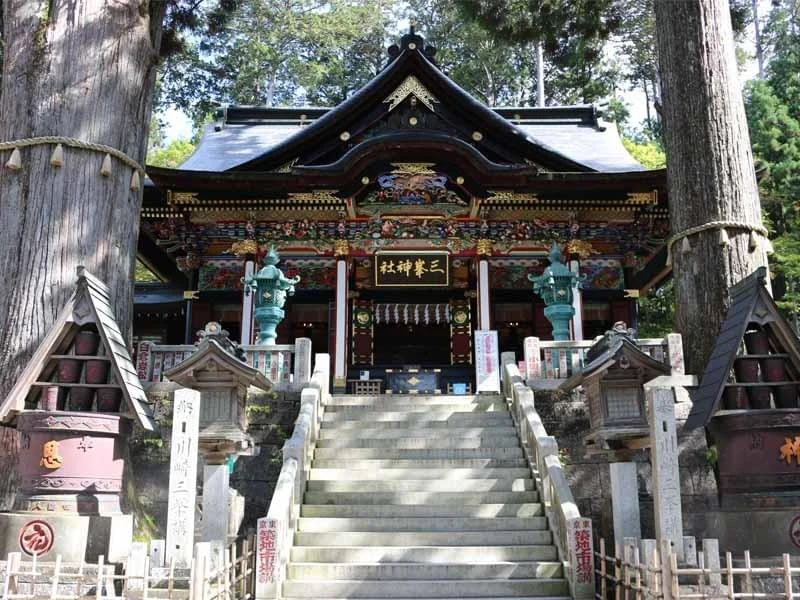
5. Mitsumine Shrine (Chichibu City, Saitama Prefecture)
At an elevation of 1,100 metres, this mountain shrine is known as one of Kanto’s spiritual sites. Mist often gives the grounds a quiet, otherworldly feel, and visitors come from across Japan for its ki amulets. Nature trails and viewpoints along the mountain roads offer places to pause in the fresh air.
📍Location: 298-1 Mitsumine, Chichibu City, Saitama Prefecture
🕒 Amulet counter: 9:00–17:00
Staying at Washinmura: three highlights and booking information
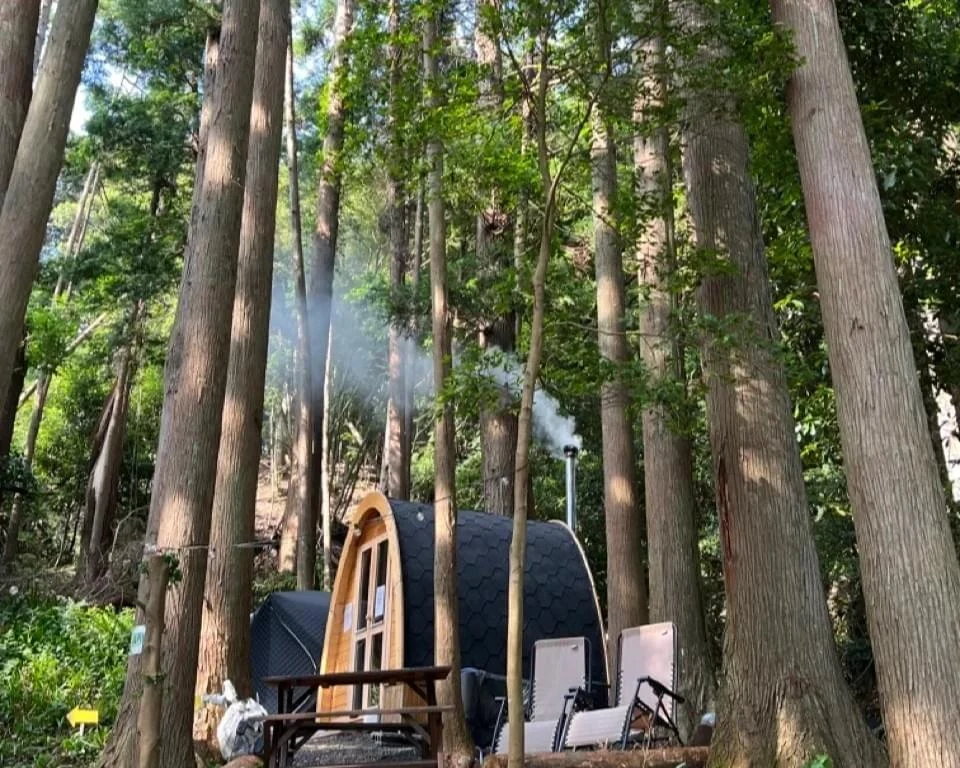
At Washinmura, a stay includes time among the trees and alongside the animals who live here. These three features give a sense of the village, followed by practical information for booking.
Three reasons to spend time here
Time with rescued cats: the cats live freely around the village. If you enjoy their company, spend some time nearby and follow their cues about whether they want attention.
A traditional house: old timbers and the atmosphere of an earlier Japan bring a warmth quite different from a modern hotel.
Fires and time outdoors: sit around a fire after dark, walk through the surrounding countryside, or choose another activity that gets you outside and moving.
Ten glamping stays in and around Kanto: prices and facilities ↗
Ten stays with resident cats or cat-friendly rooms in and around Kanto ↗
Prices and booking
Rates start at around ¥18,000 for a night with dinner and breakfast. Prices vary with the season and accommodation; the value offered is one reason guests choose to stay.
You can book through the official website or other booking sites. The official site has the widest choice of plans and the best rates. Weekends and holidays are busy, so booking at least a month ahead is advisable. Read the cancellation conditions before confirming.
Getting here: a transfer is available from the nearest station. Free parking is provided for guests arriving by car.
How to spend time in the village
Walk around the village in the morning and pause beside a fire in the evening. If you would like ideas for your stay, ask a member of staff at check-in.
Five tips for an easy day in nature
Choose a setting you enjoy, whether that means woods, a lakeshore or shrine grounds.
Leave some time unplanned. Even a minute with your phone put away gives you a chance to notice what is around you.
Add a walk, hike or cycle ride if you would like to move your body and feel refreshed.
Plan around the season: blossoms, autumn leaves, stargazing or an evening fire each offer a different way to spend time outside.
Consider staying overnight: a countryside stay at somewhere like Washinmura gives you more time to slow down.
Take a break outdoors and give yourself some distance from the demands of the day.
📷 Image credits: local tourism associations and official websites. Photos are illustrative.
Ten nature stops for a day’s drive in Kanto ↗
Contact us
Email: info@washinmura.jp
LINE: @washinmura