A winter stay in southern Boso
An introduction to winter trips in southern Boso, with a look at Washinmura’s rooms and seasonal kotatsu heated tables.
Published by Washinmura
Approximately 70 to 90 minutes from Tokyo by car or express bus. The Minamiboso area of Chiba Prefecture is known as a region where you can stay relatively warm even in winter, and is becoming increasingly popular as a destination for winter travelers who want to avoid the cold.
Washinmura is in the satoyama countryside of Takamizo, Futtsu, where winters share the mild climate of southern Boso. In the season of clear air, more guests come for kotatsu tables, mandarins, hotpot and sauna sessions, sharing the village with its cats.
Why does southern Boso have milder winters, and what makes a winter stay at Washinmura enjoyable? Here is a visitor's guide to the climate and the small comforts of the season.
■ 1. Why Minamiboso is warm even in winter
◆ 1-1. The warming influence of the Kuroshio Current
Southern Boso is influenced by the Kuroshio, the warm current flowing north through the Pacific. It helps give the area many relatively mild days, even in winter.
◆ 1-2. Topography of the Boso Peninsula surrounded by the sea on three sides
The Boso Peninsula is open to the sea, which helps prevent cold air from lingering and keeps winter temperatures relatively steady.
◆ 1-3. Warm region where citrus fruits and flowers grow even in winter
Southern Boso continues growing crops from winter into early spring. Rapeseed flowers bloom, while kumquats and Boso mandarins come into season. It is known as a place where spring arrives early.
■ 2. Boso mandarins: a taste of winter in southern Boso
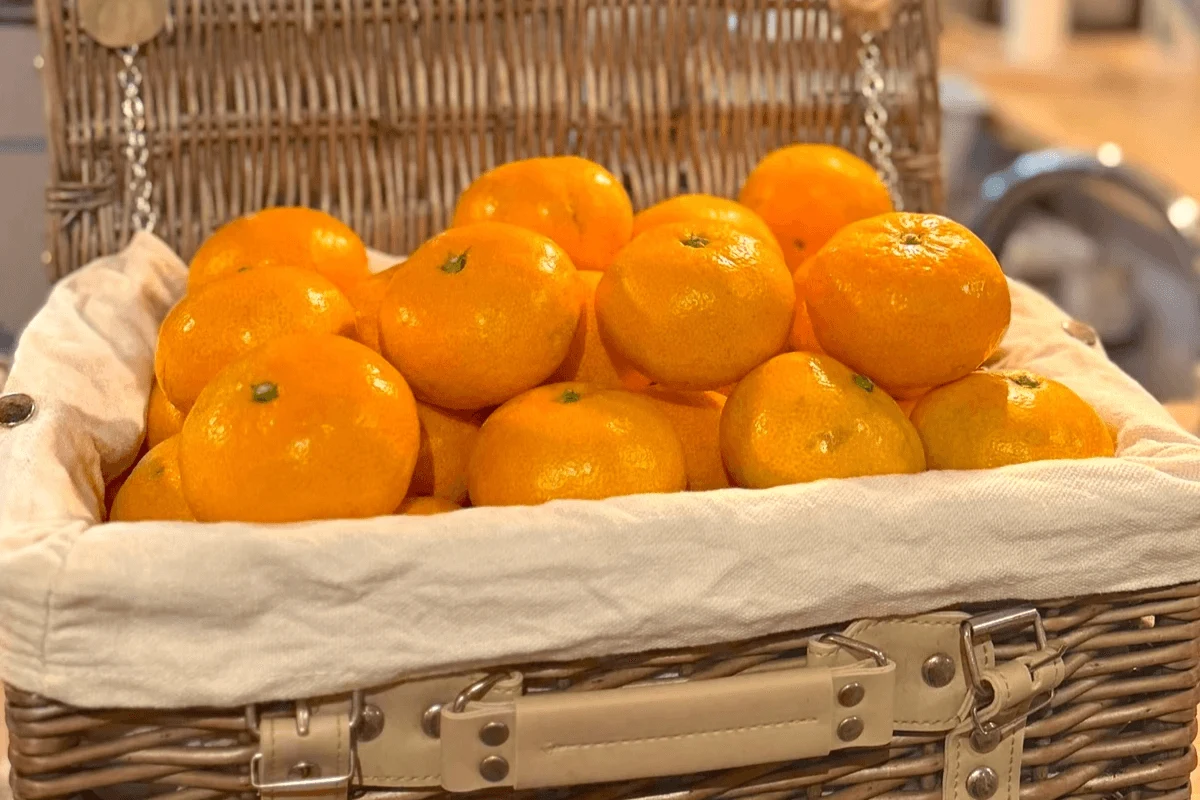
Boso mandarins are a familiar winter flavour in southern Boso. At Washinmura, we buy them directly from local farmers during the winter.
◆ What Boso mandarins are like
• A balance of sweetness and acidity
• Rich flavour shaped by sea breezes and sunshine
• Small fruit with thin skin and a strong fragrance
Sit beneath a kotatsu and peel a seasonal mandarin. For many people, that simple moment brings back memories of winters past.
Winter can seem like a difficult time to camp. Southern Boso's milder climate, together with Washinmura's heating and facilities, makes a comfortable winter stay easier to plan.
■ 3. Five kinds of warmth at Washinmura
Winter warmth here is about more than the air temperature. It comes through the things you see, taste and spend time with during your stay.
◆ 3-1. All rooms equipped with kotatsu
At Washinmura, our room types include:
• Traditional houses
• Nordic tent
• Jyubako cabins, Snow Peak's hinoki-wood mobile houses. Every room type has a kotatsu.
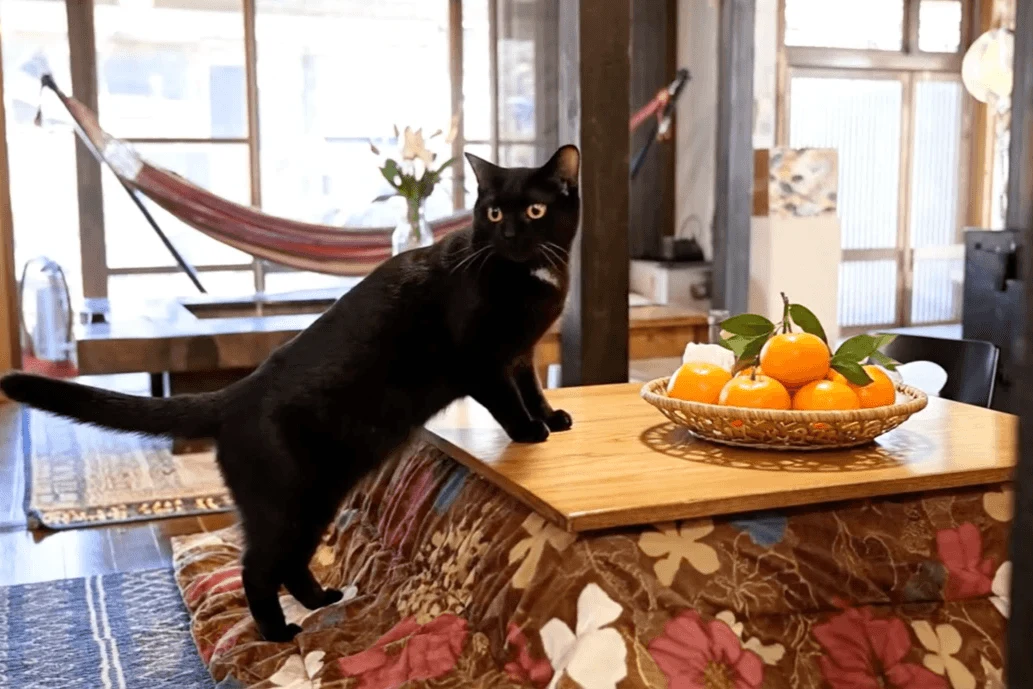
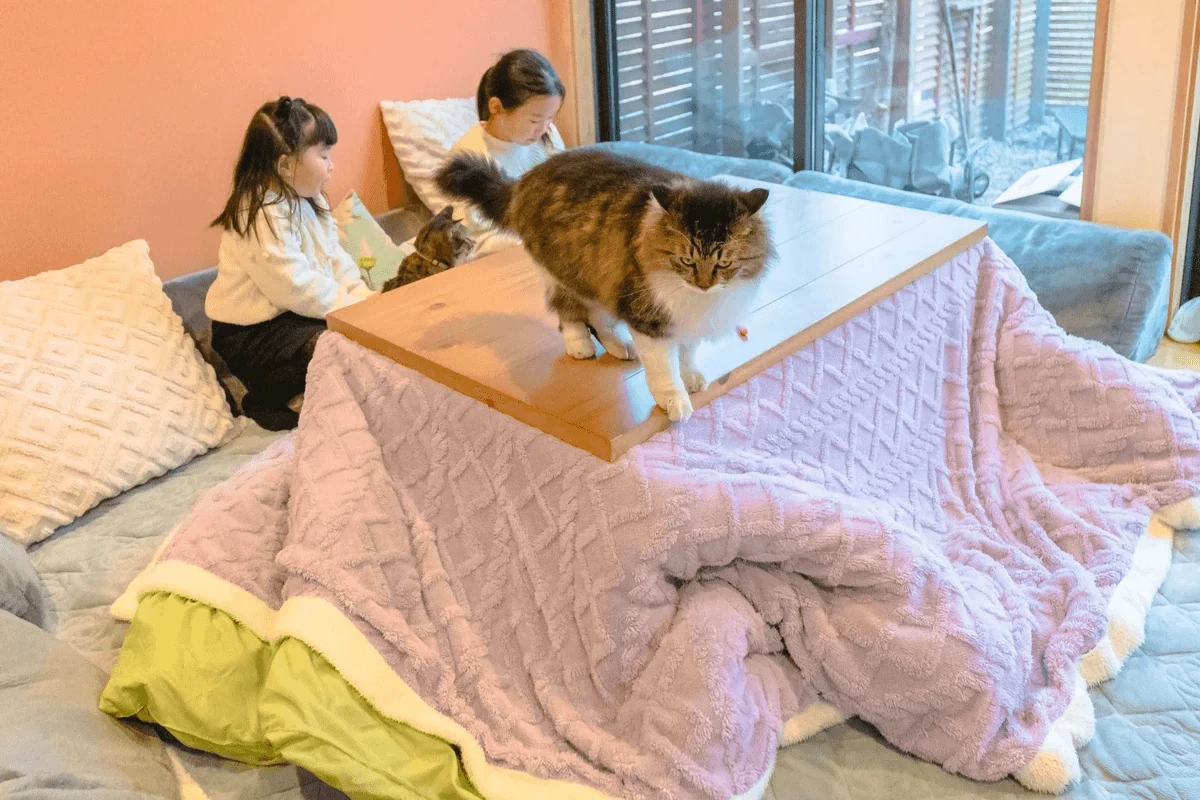
Whichever room you choose, you can tuck your legs under a kotatsu and enjoy a mandarin even when it is cold outside.
◆ 3-2. Cats resting in the sun or beside a kotatsu
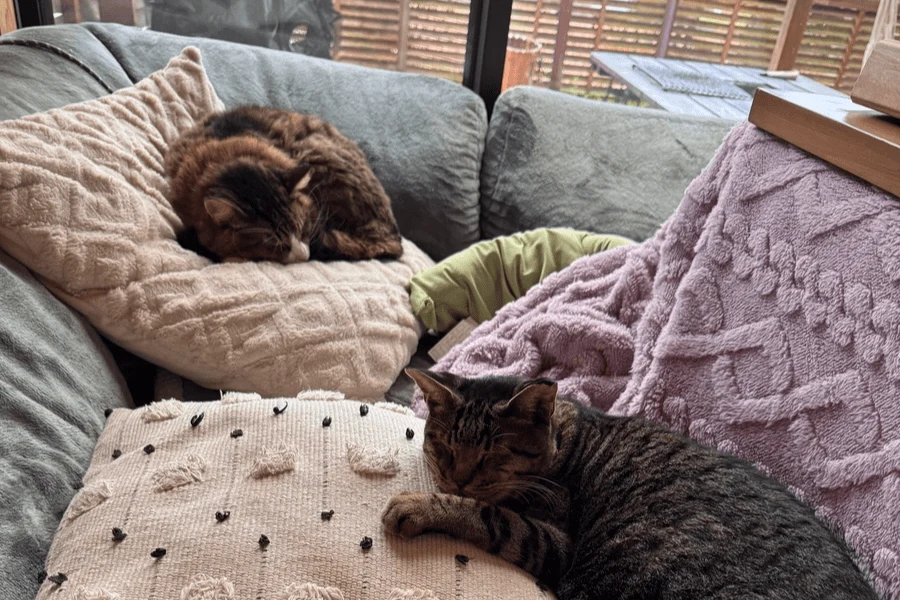
The rescued cats live freely around the village. In winter, you may see one curled up in the sun or beside a kotatsu blanket. Kotatsu tables, mandarins and cats resting nearby—some guests like to keep photographs of these small winter scenes around the village.
◆ 3-3. A winter-only herbal hotpot stay
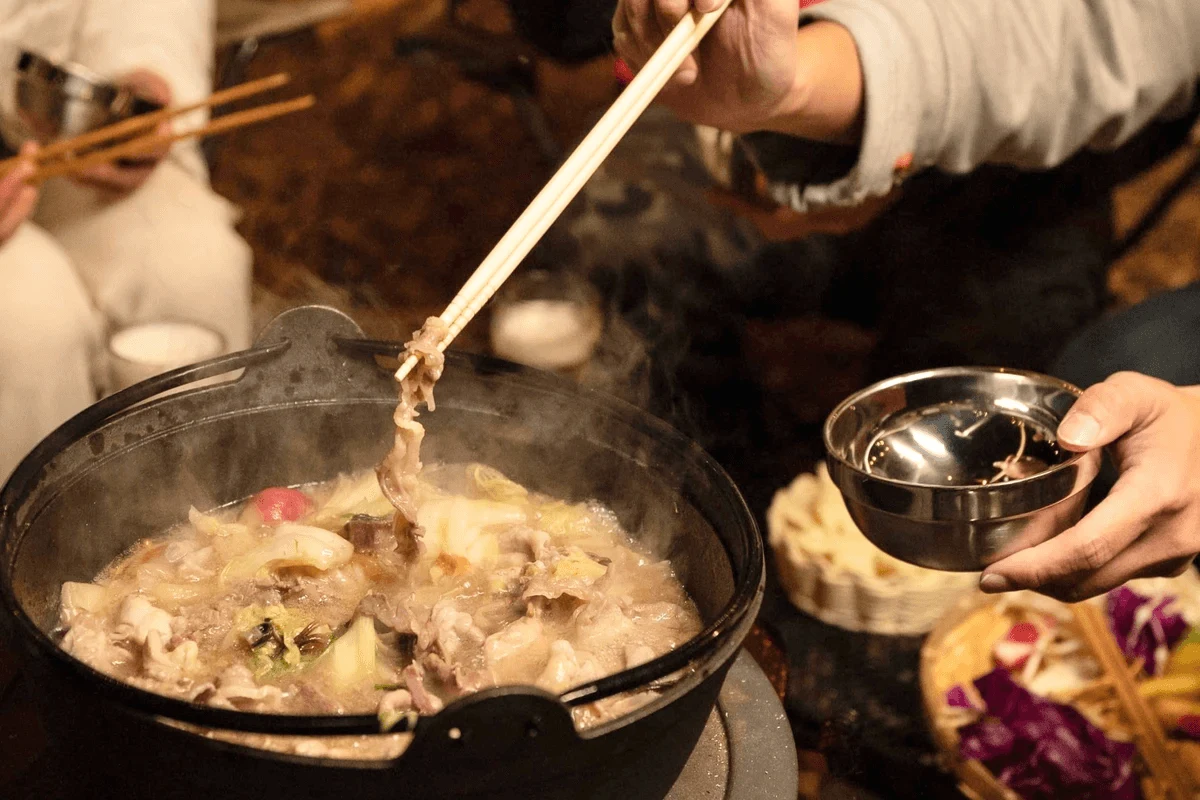
We also have hotpot plans perfect for the cold season.
Beef, pork and chicken are served with seasonal vegetables in a hotpot made for a cold evening.
Hotpots featuring seafood and produce from southern Boso are another winter speciality.
◆ 3-4. Warm up in the sauna as well as at the kotatsu
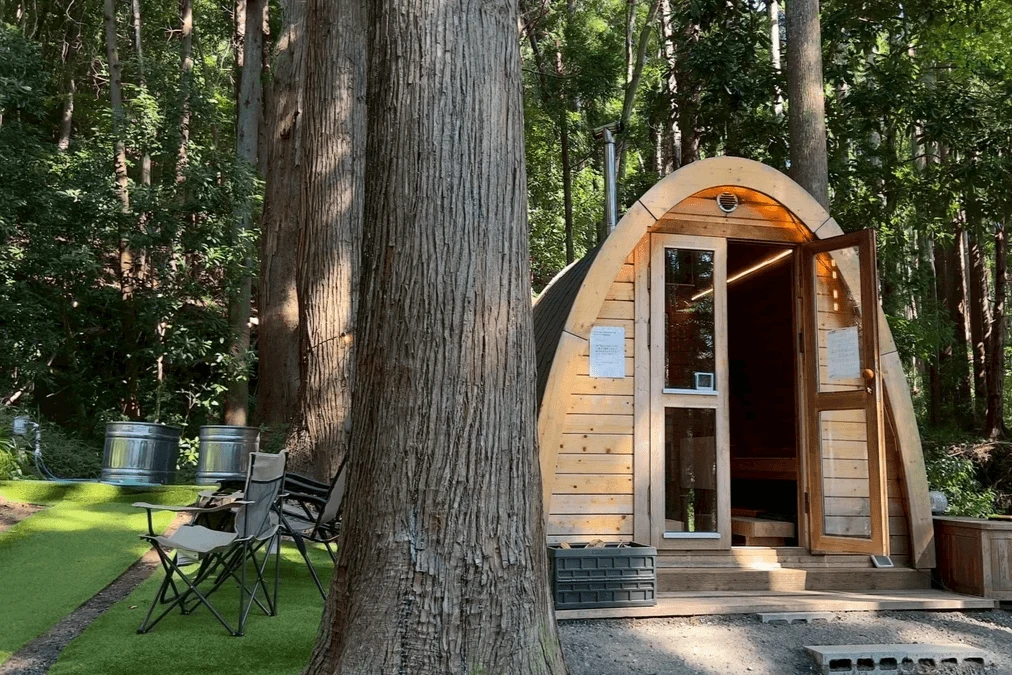
Winter is a good time to try Washinmura's sauna. Stepping into the cool satoyama air afterwards is part of the pleasure.
The charm of Washinmura's sauna experience
• Gentle steam in a space built with natural materials
• Soft lighting and the scent of wood
• Time to settle into the quiet of the satoyama
• After the sauna, you can rest in the kotatsu in your guest room.
After the sauna and a rest outdoors, return to your room, sit beneath the kotatsu and peel a mandarin. That can be the whole plan for a while.
◆ 3-5. A campfire beneath the winter stars
Winter brings the clearest air of the year. At Washinmura, guests also enjoy sitting around a campfire and watching the stars. Outside, the air is sharply cold. Warm up in the sauna, tuck yourself under the kotatsu, then sit beside a fire. Those three kinds of warmth are part of winter at Washinmura.
■ 4. Why visit Chiba and southern Boso in winter?
Chiba is a useful winter choice for travellers who prefer to avoid snow and the coldest regions.
◆ Why Minamiboso is popular in winter
• There are many warm days even in winter
• Easy access, including for families with children
• The perfect climate for winter glamping
• Kotatsu tables, hotpot, sauna sessions and time near the cats
• It's fun to take pictures of winter scenery
• Southern Boso’s relatively mild climate makes a real difference to the comfort of a winter trip.
■ 5. Winter days in the satoyama at Washinmura
Washinmura is a small satoyama stay centred on a renovated house built around 200 years ago. In winter, kotatsu tables, mandarins and the village cats bring a simple kind of comfort.
■ Summary
Southern Boso is one part of Kanto with relatively mild winters. At Washinmura, that setting comes with kotatsu tables, mandarins, cats, hotpot meals and a sauna—all in one stay.
If you are choosing somewhere for a winter break, consider a few warm, unhurried days in the countryside of southern Boso.
Related reading: a winter stay
For more about winter at Washinmura, explore the articles below.
Winter in the countryside: kotatsu and Boso mandarins ↗
Winter sauna at Washinmura: outdoor rest and a cold bath supplied from a mountain water source ↗
Winter hot-pot stays in the countryside ↗
Washinmura stay plans on the official booking site ↗
Combine a hot-pot meal with a winter sauna for a warm, unhurried stay at Washinmura.